




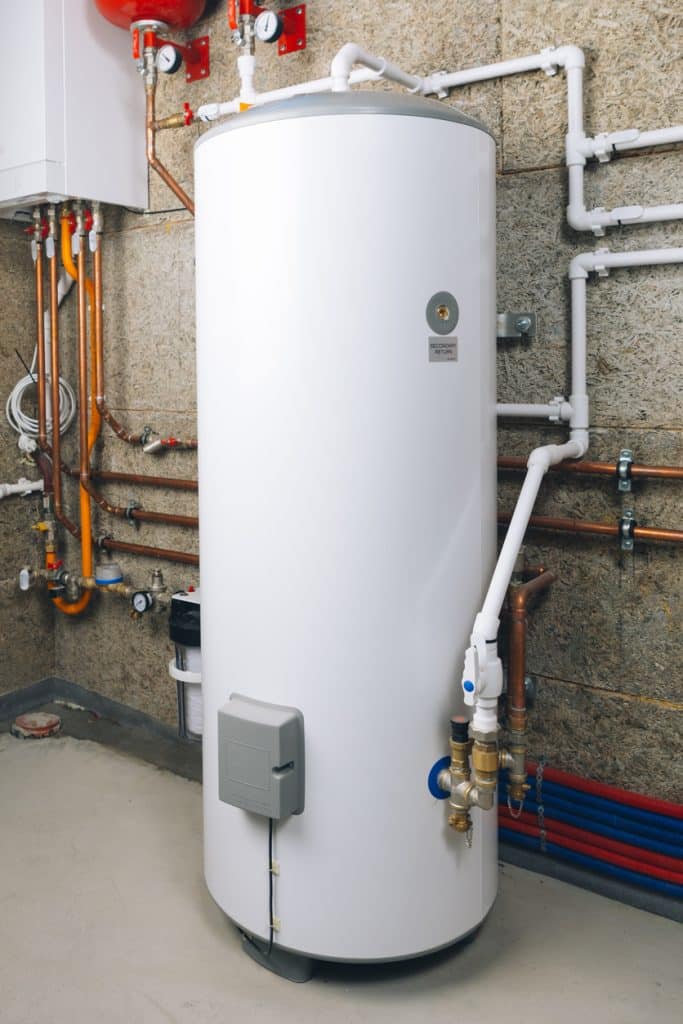
A small puddle near your water heater might not seem like a big deal. Most people wipe it up and move on with their day. Unfortunately, even a slow drip can turn into an expensive mess if ignored.
Fortunately, most water heater leaks give off warning signs before major damage happens. Knowing what to look for can help you prevent a stressful, not to mention expensive, repair.
Check for Loose Connections
One of the most common causes of a leaking water heater is loose connections. Over time, pipes and fittings may shift because of temperature and water pressure changes. Small drips often form around the cold water or hot water outlet connections.
Take a close look around the top of the water tank. If you notice tiny droplets forming near the pipes, you might need to tighten a fitting. If you’re not sure how to do it, an experienced plumber can help.
Watch the Temperature Relief Valve
The temperature and pressure relief valve is the most important safety feature on your water heater. This valve releases excess pressure if the tank gets too hot or if pressure builds too high inside the system.
Occasionally, this valve starts dripping because it’s worn out or because the pressure inside the tank is too high. If you see water pooling where the valve is located, you shouldn’t ignore it. A faulty relief valve can cause more serious problems with the entire unit.
Drain Sediment Before Trouble Starts
Sediment buildup is another major cause of water leaks. Minerals from hard water settle at the bottom of the tank over time. This buildup then forces the water heater to work harder, possibly creating small cracks inside the tank lining.
Flushing the tank once or twice a year will remove sediment before it becomes a major problem. Regular maintenance also improves overall efficiency and will help your water heater last longer.
Inspect the Drain Valve
The drain valve is used when flushing the tank or performing routine maintenance. Sometimes the valve may become loose or damaged after years of use. A slow drip from the drain valve may seem minor, but it can gradually lead to water damage around the unit. If tightening the valve doesn’t stop the leak, it may need to be replaced by a licensed plumber.
Know When the Tank Is Failing
Unfortunately, some leaks can’t be repaired. If the tank itself is cracked or is old and corroded, replacing it is usually the only option. Older water heaters are especially vulnerable to internal rust and wear. Signs of a failing water heater include rust-colored water, inconsistent water temperatures, and moisture forming on the outside of the tank.
Water heater leaks rarely fix themselves, and a tiny drip today can become a major disaster tomorrow. Regular inspections, routine maintenance, and quick action will protect your home and keep your hot water running smoothly for years to come. If you have concerns or require water heater services, contact Sioux Falls Plumbing in Sioux Falls, SD.